
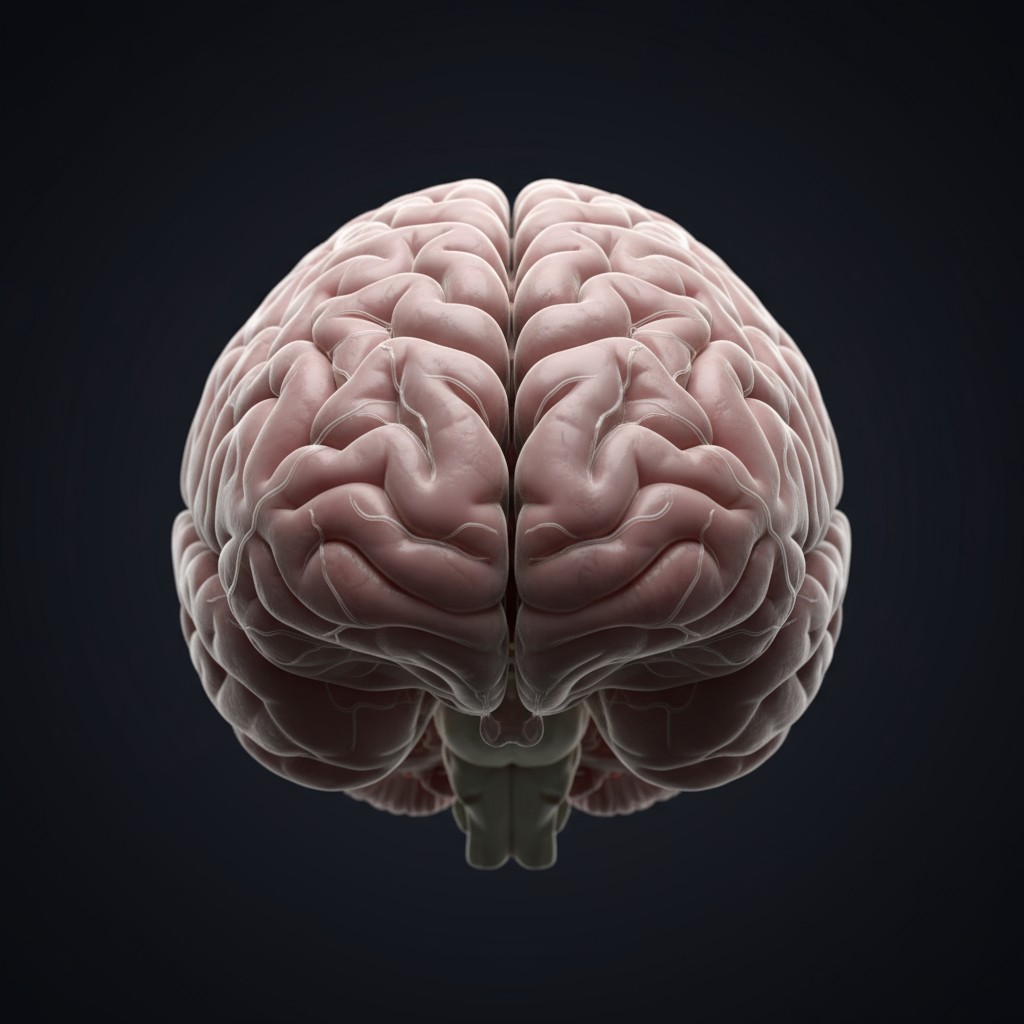
Mental fog, poor concentration, and lack of focus are increasingly common in modern life. Many people describe brain fog as feeling mentally tired, unfocused, forgetful, or mentally slow.
Although brain fog is not a medical diagnosis, scientific research shows that cognitive clarity and focus are strongly influenced by lifestyle factors such as sleep, stress, blood sugar regulation, physical activity, and nutrition.
What Is Brain Fog?
Brain fog is a non-clinical term used to describe cognitive symptoms such as:
- Difficulty concentrating
- Mental fatigue
- Forgetfulness
- Reduced mental clarity
Studies suggest these symptoms may be influenced by inflammation, poor sleep quality, stress-related cortisol elevation, blood glucose fluctuations, and nutrient deficiencies.
1. Stabilize Blood Sugar to Improve Mental Focus
The brain depends heavily on glucose as its primary energy source. Rapid rises and falls in blood sugar can negatively affect attention, working memory, and cognitive performance.
Research published in The American Journal of Clinical Nutrition and Nutrition Reviews shows that stable blood glucose levels are associated with improved attention, reaction time, and sustained mental performance.
Science-backed tips:
- Eat balanced meals with protein, fiber, and healthy fats
- Avoid high-sugar snacks and refined carbohydrates
- Do not skip meals if concentration suffers
2. Prioritize High-Quality Sleep
Sleep plays a critical role in memory consolidation, attention, and executive function.
Research published in Nature Reviews Neuroscience shows that sleep deprivation impairs focus, decision-making, emotional regulation, and cognitive flexibility — even after a single night of insufficient sleep.
Sleep strategies for mental clarity:
- Aim for 7–9 hours of sleep per night
- Maintain consistent sleep and wake times
- Reduce blue light exposure before bedtime
3. Reduce Chronic Stress and Cortisol
Chronic stress elevates cortisol levels, which can negatively affect memory formation and attention over time.
Studies published in Psychoneuroendocrinology show that prolonged cortisol exposure is associated with reduced working memory performance and impaired concentration.
Evidence-based stress reduction methods:
- Mindfulness and meditation practices
- Breathing exercises
- Regular physical activity
4. Exercise to Boost Brain Function
Physical activity increases cerebral blood flow and stimulates the release of brain-derived neurotrophic factor (BDNF), a protein essential for learning, memory, and neuroplasticity.
Research published in Frontiers in Psychology and Neuroscience & Biobehavioral Reviews shows that regular aerobic exercise improves attention, processing speed, and executive function across age groups.
Even moderate activities like brisk walking can support mental clarity.
5. Support Brain Health with Key Nutrients
Certain nutrients are essential for neurotransmitter synthesis and brain energy metabolism.
Nutrients associated with cognitive performance:
- Omega-3 fatty acids — associated with improved memory and attention
- B vitamins (B6, B9, B12) — deficiencies linked to cognitive fatigue
- Iron and magnesium — low levels associated with impaired focus
Observational studies and clinical reviews link deficiencies in these nutrients with increased mental fatigue and reduced cognitive performance.
6. Reduce Multitasking and Digital Overload
Frequent multitasking and constant digital interruptions reduce sustained attention and increase mental fatigue.
Research published in Proceedings of the National Academy of Sciences (PNAS) shows that task-switching reduces efficiency and impairs working memory and cognitive control.
Focus-friendly habits:
- Work in focused time blocks
- Turn off non-essential notifications
- Schedule intentional breaks
Daily Habits That Improve Mental Clarity
- Eat balanced meals
- Sleep consistently
- Move daily
- Manage stress intentionally
- Stay hydrated
Final Thoughts
Mental focus and clarity are not fixed traits. Scientific evidence shows they are strongly influenced by daily habits. By supporting brain health through sleep, stress management, movement, and nutrition, you can reduce brain fog and improve concentration naturally.
Small, consistent lifestyle changes often lead to the most sustainable improvements in cognitive performance.
Scientific References
- Durmer, J. S., & Dinges, D. F. (2005). Neurocognitive consequences of sleep deprivation. Nature Reviews Neuroscience.
- Gibson, E. L., & Green, M. W. (2002). Nutritional influences on cognitive performance. Nutrition Research Reviews.
- Lupien, S. J. et al. (2009). Effects of stress hormones on human cognition. Psychoneuroendocrinology.
- Erickson, K. I. et al. (2011). Exercise training increases brain volume and memory. PNAS.
- Reynolds, A. et al. (2019). Dietary patterns and cognitive health. The Lancet.
Leave a Reply